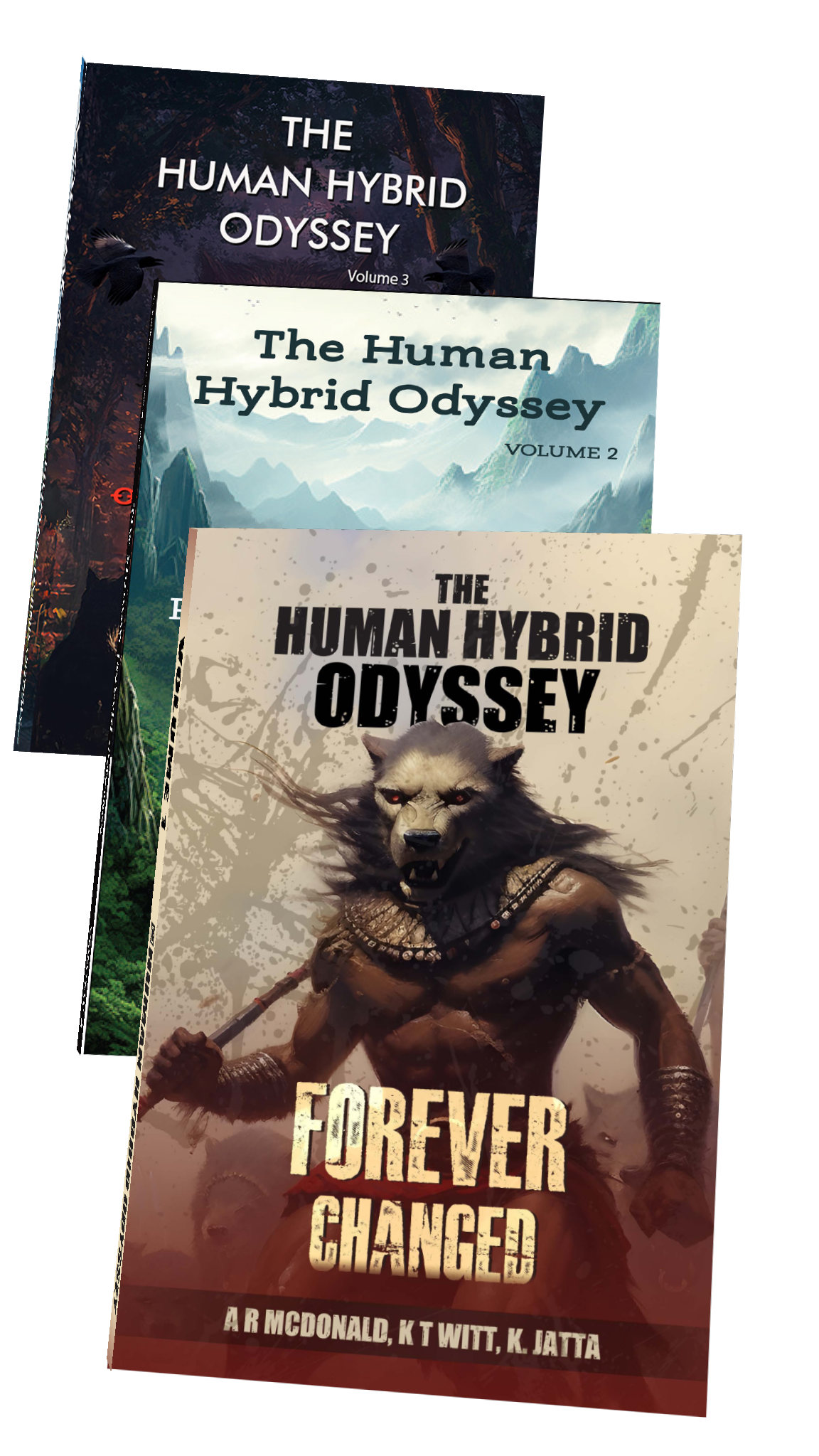
| Life for the average human–animal hybrid in *The Human Hybris Odyssey* is neither wholly human nor fully beast—it is a constant negotiation between instinct and intellect, survival and identity. In a world defined by shifting forms and ancient forces, daily existence is shaped as much by internal struggle as by external threat. These hybrids are not anomalies; they are the fabric of civilization itself. Yet, their lives are anything but stable.
At the core of hybrid existence lies duality. A villager may wake in human form, tending to communal duties—farming, crafting, trading—only to later embrace their animal nature when danger looms or hierarchy demands it. This ability, while powerful, comes with consequence. Strength, speed, and heightened senses grant an advantage in a world filled with predators and rival tribes, but they also amplify aggression, territorial instinct, and fear. Maintaining control is not simply a discipline; it is survival.
Society within this world is deeply tribal and hierarchical. Identity is often tied to one’s hybrid form—lion, wolf, hyena, elk—and with it comes expectation. Some species are revered as leaders or protectors, while others are viewed with suspicion or outright hostility. This creates a fragile social order, where respect and prejudice exist side by side. The average hybrid must constantly navigate these dynamics, understanding that allegiance can shift as quickly as form.
Beyond the boundaries of structured life lies a far greater threat: the unknown. Supernatural phenomena are not rare occurrences but persistent realities. Dark regions like M’Nyama, where sunlight cannot reach, harbor creatures and forces that defy comprehension. Guardians protect ancient secrets not out of tradition, but necessity—because what lies hidden could unravel the world itself. For the average hybrid, this means living with the awareness that at any moment, their village could be drawn into conflicts far beyond their control.
Yet, amidst the danger, there is resilience. Courage and loyalty are not abstract ideals; they are lived experiences. Families, clans, and alliances form the backbone of survival. Even the most unlikely bonds can emerge in times of crisis, as former enemies unite against a greater threat. These unforeseen alliances reveal a deeper truth: that identity is not solely defined by form, but by choice.
It is within this tension—between who they are and who they choose to be—that the true weight of life in this world is felt. Every decision carries consequence. To embrace one’s beast too fully risks losing humanity; to suppress it entirely invites vulnerability. The balance is delicate, and failure is often unforgiving. | |